
Replacement Car Keys Blog
Practical articles for drivers comparing lost-key service, fob programming, and mobile automotive locksmith options.
Replacement Car Keys Blog decision framework
The highest-quality answer for replacement car keys blog starts with classification, not a generic price. The driver should first describe the vehicle year, make, model, current location, whether any key still works, and exactly what failed. That intake changes the service path. A metal blade problem, a transponder authorization problem, a smart fob pairing problem, an ignition cylinder problem, and a lockout access problem can all sound like "I need a new key" in a search box, but they require different tools and different proof steps.
For drivers searching from a specific moment: lost keys, a dead fob, or a dealer comparison, the useful service page should help the caller avoid the wrong comparison. A dealership quote may include factory ordering but may also require towing or waiting. A mobile quote may save time when the correct blank, cutting route, and programming method are available, but it still depends on compatibility and ownership verification. The page should name those dependencies plainly so the visitor can make a sharper call instead of chasing the lowest number.
What a serious quote should clarify
A serious quote should identify the vehicle, the key type, whether cutting is needed, whether programming is needed, whether the vehicle is in an all-keys-lost situation, and whether the service is for entry, starting authorization, remote buttons, ignition movement, or all of those together. When those details are missing, two quotes that look similar can describe completely different jobs.
Ask whether the estimate includes the blade, fob shell, chip or remote electronics when relevant, cutting, programming, lockout access, and diagnostic exceptions. Ask what information is needed before dispatch and what proof of ownership should be ready. Responsible service providers do not bypass that security step, because automotive key work can authorize access to a vehicle.
Common mistakes to avoid
The most common mistake is following generic advice that does not separate cutting, programming, access, and ownership verification. A second mistake is throwing away broken parts too early. A cracked remote case may still contain a usable board or chip. A broken blade can help identify the cut. A dead fob battery can mimic a larger failure. A stuck key may point to steering lock pressure or wear instead of a complete ignition replacement. Keeping the evidence together gives the technician more to work with.
Another mistake is describing only the end goal instead of the symptom. Say whether the key turns, whether the security light is on, whether the engine cranks, whether the remote buttons work, whether the vehicle is push-to-start, whether keys are locked inside, and whether there is a spare. These details help separate key cutting, fob programming, ignition diagnosis, and lockout entry.
How this page supports local service pages
The existing city and service pages on this site are built for drivers ready to request help. This research page supports those pages by explaining the decision behind the request. It adds educational depth without changing the existing service structure. Visitors can learn first, then move into car key replacement, key fob programming, ignition repair, or car lockout when they know which category fits.
The content also keeps the trust boundary clean. It stays focused on preparation, service scope, vehicle facts, and ownership verification. The value is practical preparation: what the driver should know, what the dispatcher should ask, and what scope belongs in the quote before anyone treats the job as confirmed.
Start with the situation you are in.
These posts support the core service pages with practical decision help, quote preparation, and vehicle-symptom context.
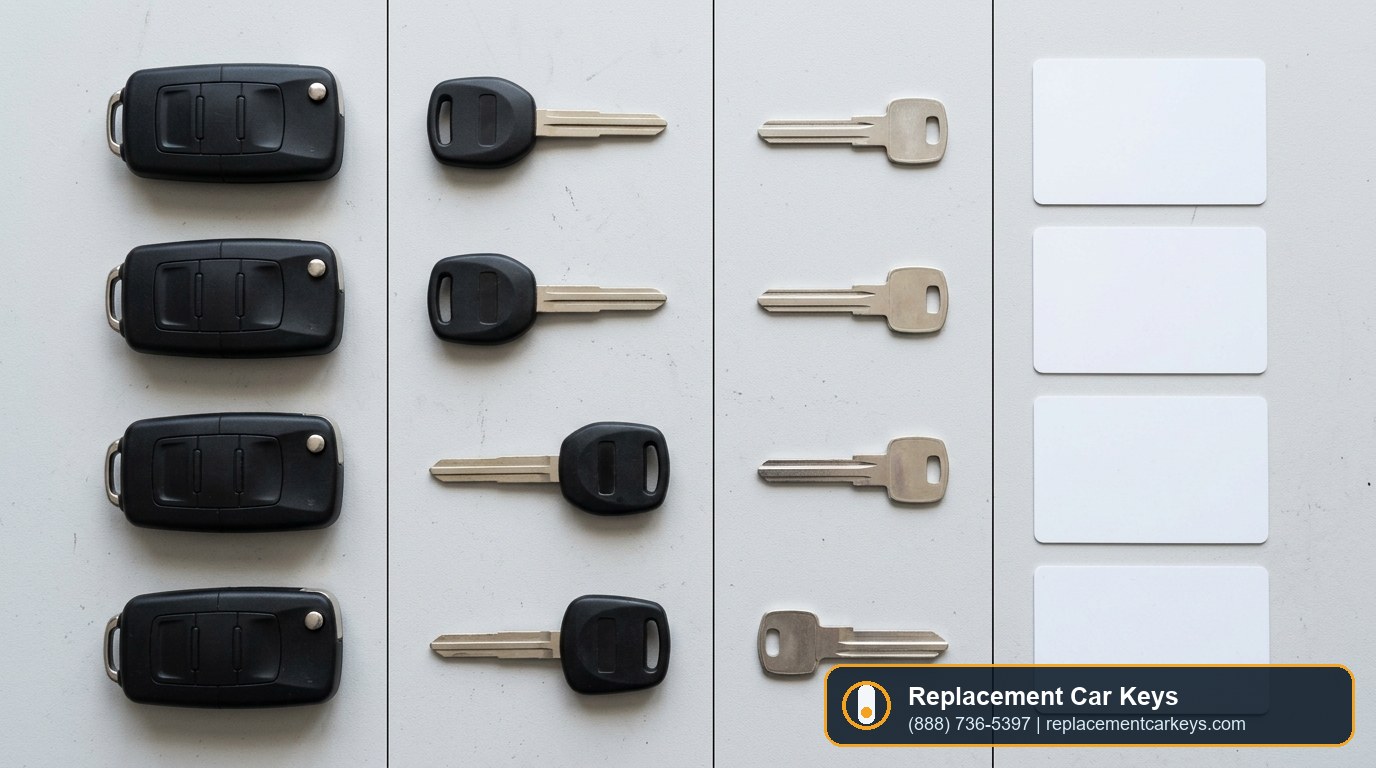
Lost Car Keys With No Spare: The Smart First Call
What to know when every working car key is lost and you need a mobile replacement-key plan.
Read article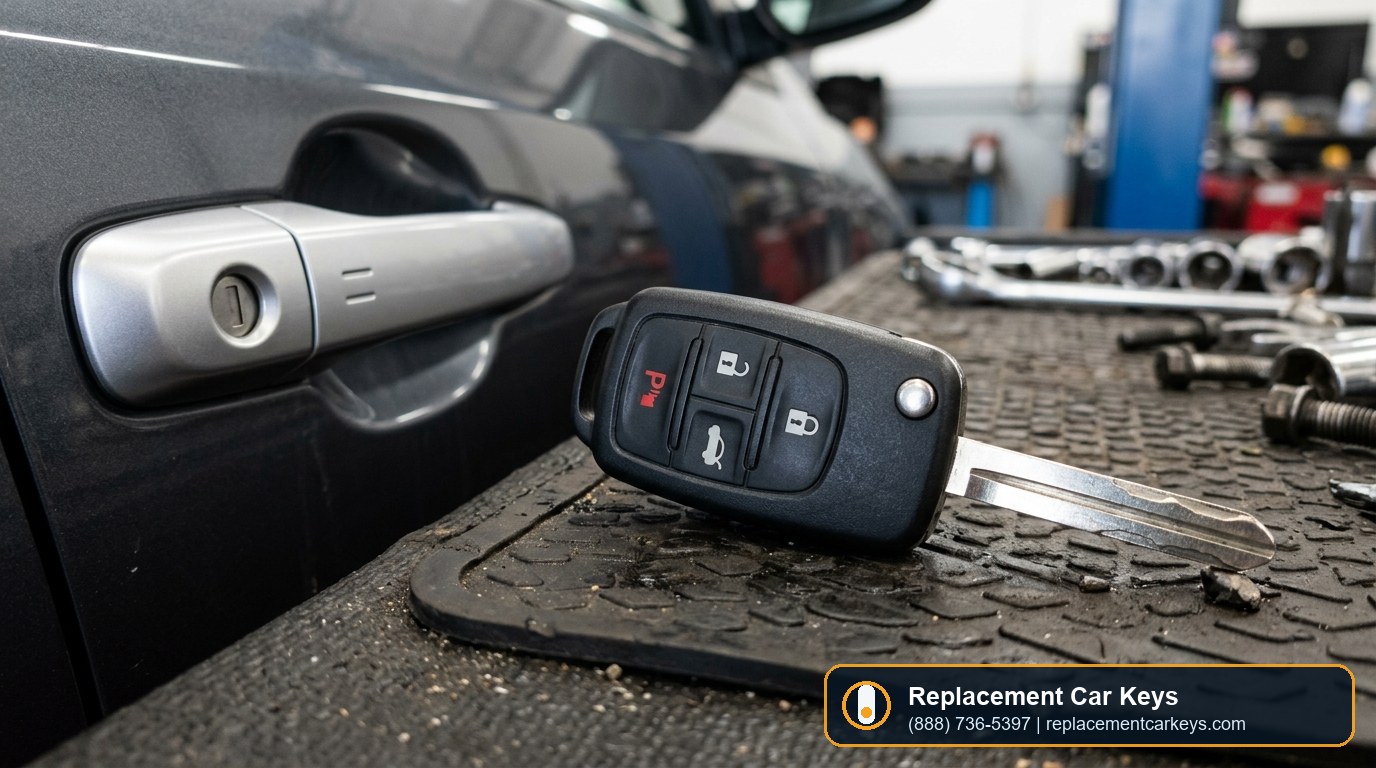
Key Fob Not Working: Battery, Programming, or Replacement?
How to think through a key fob that stopped working before booking a replacement.
Read article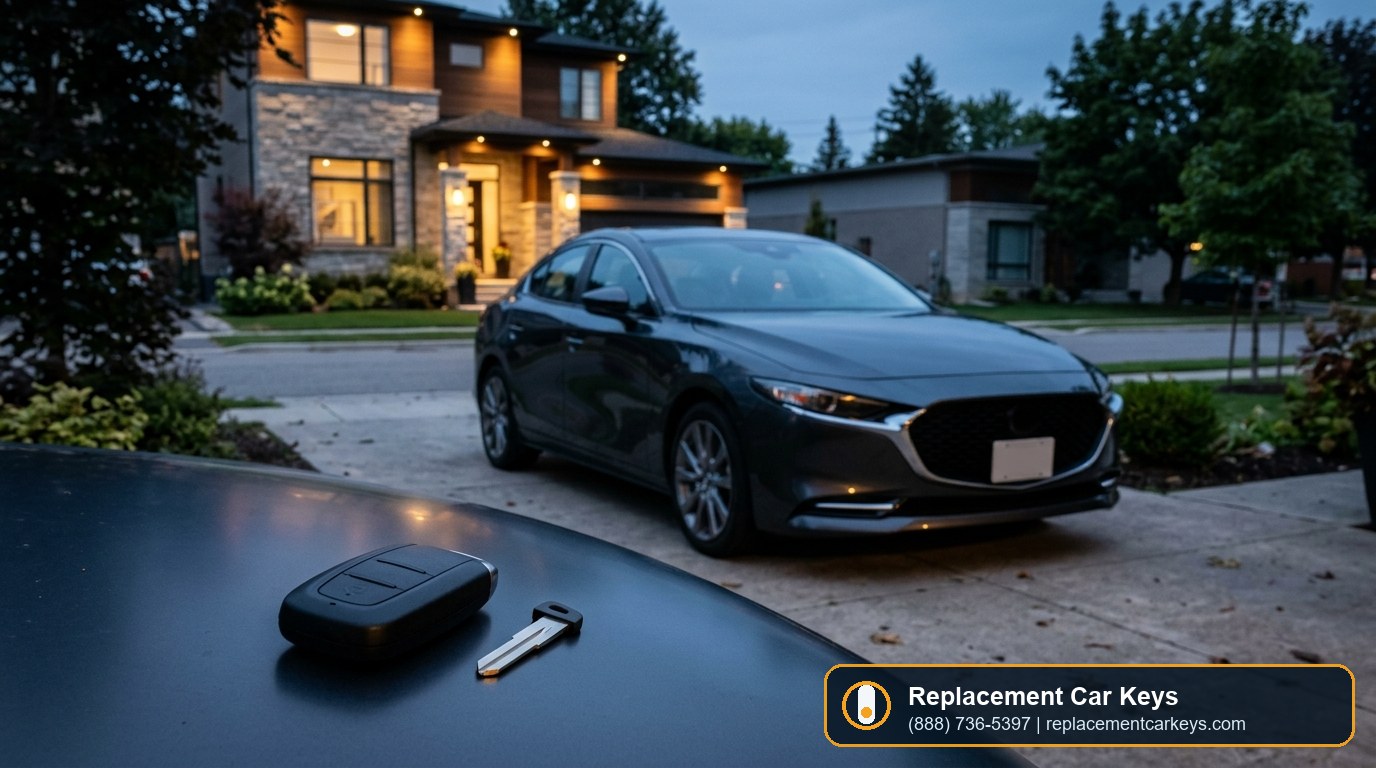
Dealer or Mobile Locksmith for a Replacement Key?
When a mobile automotive locksmith may be the better first call, and when dealer support may still be necessary.
Read articleWhy the blog exists
Drivers often search in the language of the moment: lost keys, no spare, key fob not working, locked keys in car, or dealer vs locksmith. The blog catches those practical situations and routes the reader into the correct service page when they are ready.
The articles are intentionally grounded in decision help. They explain what to prepare, what questions to ask, and which assumptions affect the quote. They stay focused on preparation, service scope, vehicle facts, and ownership verification.