(888) 736-5397
About the service

About Replacement Car Keys

Replacement Car Keys is dedicated to providing high-quality, honest mobile auto locksmith services.

Vehicle details checked before dispatchOn-site key cutting and programmingOwnership verification requiredNo tow truck needed for most key jobs
Operating standard

A mobile locksmith page should match how the work is actually done

Replacement Car Keys focuses on vehicle access and key control problems: lost keys, damaged remotes, immobilizer programming, stuck ignitions, broken blades, and lockouts. The business model is mobile, so the service is planned around the vehicle location rather than a storefront visit.

The responsible part of the work is verification. A technician should not cut, program, unlock, or erase a key without confirming that the requester has legitimate access to the vehicle.

The practical part is preparation. Automotive key systems vary by year, make, model, and trim. A good dispatch conversation collects the right information before the technician arrives.

  • Ask for vehicle year, make, model, and key type.
  • Confirm where the vehicle is parked and how it can be accessed.
  • Check whether a working key or damaged fob remains.
  • Explain when a dealership or module-level repair may be needed.
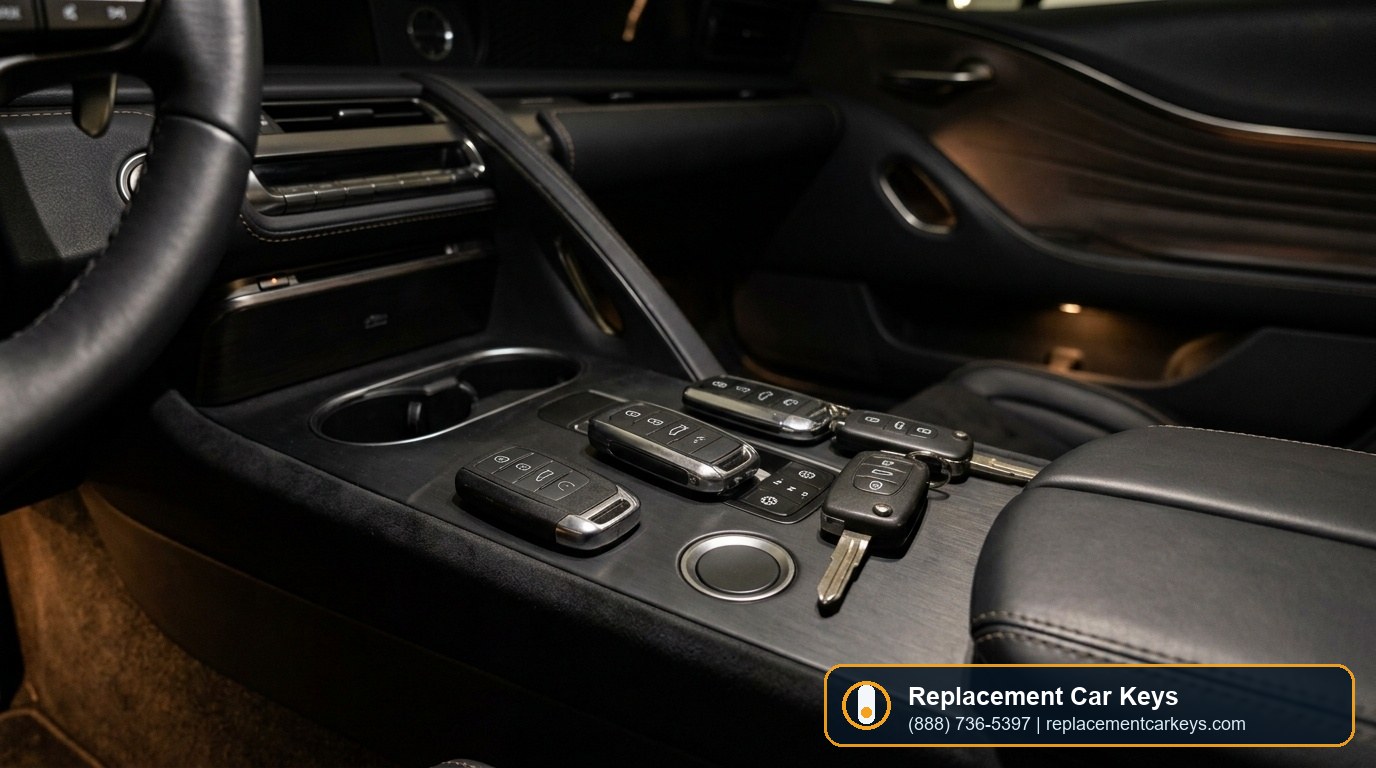
Automotive locksmith tools prepared for mobile service

How the mobile visit is planned

The first useful question is not only where the vehicle is parked. The dispatcher also needs to know what kind of key problem exists. A lost proximity fob, a worn mechanical blade, a remote that unlocks but will not start the vehicle, and a key that will not turn in the ignition are different jobs.

That is why the pages separate car key replacement, key fob programming, ignition repair, and car lockout service. Each page gives the driver a practical way to describe the issue before calling, which helps the technician prepare the right key blank, fob shell, transponder path, and diagnostic tools.

A serious automotive locksmith visit also respects vehicle security. Replacement keys and smart fobs can start a car, unlock a trunk, and control alarm functions. Identity and ownership checks are not paperwork decoration; they are a safety layer for the owner and for the technician.

Good service is also honest about limitations. Some late-model vehicles, module failures, dealer-only parts, or damaged electronic systems may require a different path after diagnosis. The goal is to identify that early rather than waste the driver's time with a generic answer.

Why the site avoids unverified claims

The pages do not rely on a storefront address, review stars, license numbers, or warranty language unless those details are verified and visible to the customer. That keeps the brand safer and gives visitors useful information without dressing the page in claims that cannot be proven from the site record.

The improved page set focuses on things a driver can act on: what to have ready, what changes the plan, what each service includes, what a technician checks, and which related page answers the next question. It is a cleaner experience for people searching under pressure, and it is a safer content model for the business.

What the customer should expect

A useful automotive locksmith experience should feel specific from the first conversation. The caller should know which details to send, why those details matter, and what the technician will check before starting. That clarity lowers confusion, protects the vehicle owner, and helps the visit stay focused on the actual key, fob, ignition, or lockout problem.

The site upgrade follows the same standard. The pages keep the same paths, but the content now explains the work in a way a driver can use while standing next to a locked or disabled vehicle.

Why the page structure stays steady

The site already has a strong service-area map, so the upgrade does not replace the architecture. Instead, it strengthens the information inside the existing paths. A driver who lands on a city page still sees the same service family, the same phone path, and the same local URL pattern, but the page now explains what the technician is checking and what the caller should have ready.

That matters for search and for real customers. The service-area pages should not feel like a list of city names. They should explain how mobile locksmith work changes when the vehicle is in a driveway, a retail lot, a business park, a garage, or a roadside parking space.

Practical information beats pressure copy

A driver with a missing key is already under pressure, so the page should reduce uncertainty. Clear instructions about vehicle details, proof of ownership, fob type, and parking access are more useful than loud promises.

That is the standard this upgrade applies across the site: every major page should help the visitor understand the next safe step before they call.

What makes this site different after the upgrade

The old site already had a useful 313-page map, but many pages were thin and visual assets were uneven. The upgrade keeps the map and strengthens the content around real driver questions: can the key be made without the original, what information is required, how fob programming works, and when the ignition or lock cylinder is the actual problem.

The pages stick to verified business facts: brand, phone, service categories, mobile automotive locksmith focus, and the service areas already present in the sitemap. That matters because automotive locksmith content is easy to overstate. A better page explains the decision path instead of padding the screen with unsupported promises.

The logo is now a real cross-site asset instead of only an inline mark. The images are visible on internal pages, alt text is page-specific, and the footer keeps a clear phone path without pretending there is a storefront address. The result is a stronger site without changing the URL structure that is already indexed.

Call (888) 736-5397